Who We Are Founders Our Origin Regions Products Tea Quality Work With Us Contact
Downloads Product Portfolio Coming soon Catalogue Coming soon Tea Catalogue Coming soon
Chat on WhatsApp
Amaranth Grain (Ramdana) — Uttarakhand
Heirloom Grain
GI TaggedHeirloom Grain

Amaranth Grain (Ramdana)

(Chaulai / Rajgira)

A Gift of the Himalayan Hills. Rooted in Village Traditions. Carried Forward by Generations.

OriginUttarakhand
Botanical NameAmaranthus spp.
Grain TypePseudocereal
GI StatusRegistered
FormWhole Grain

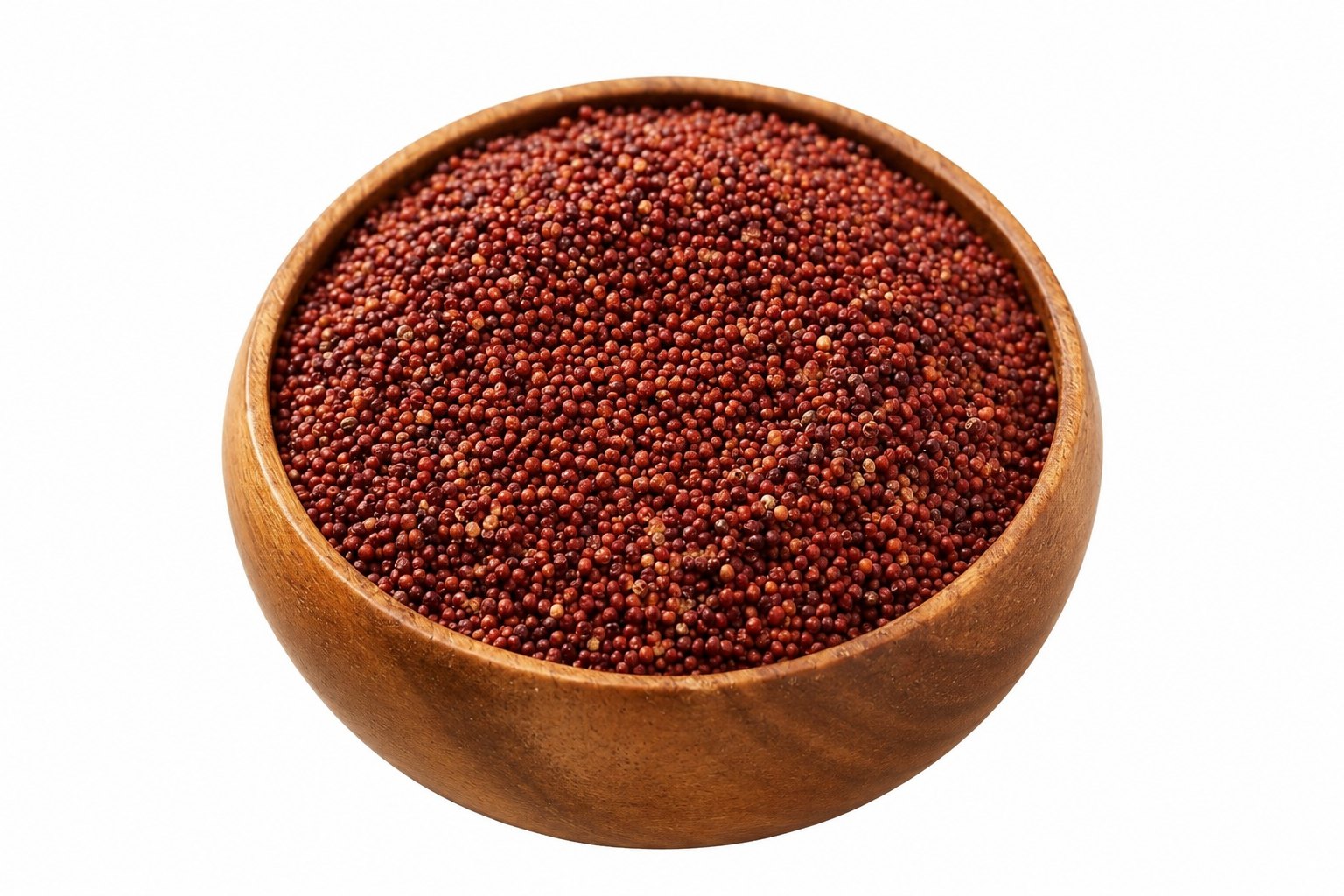
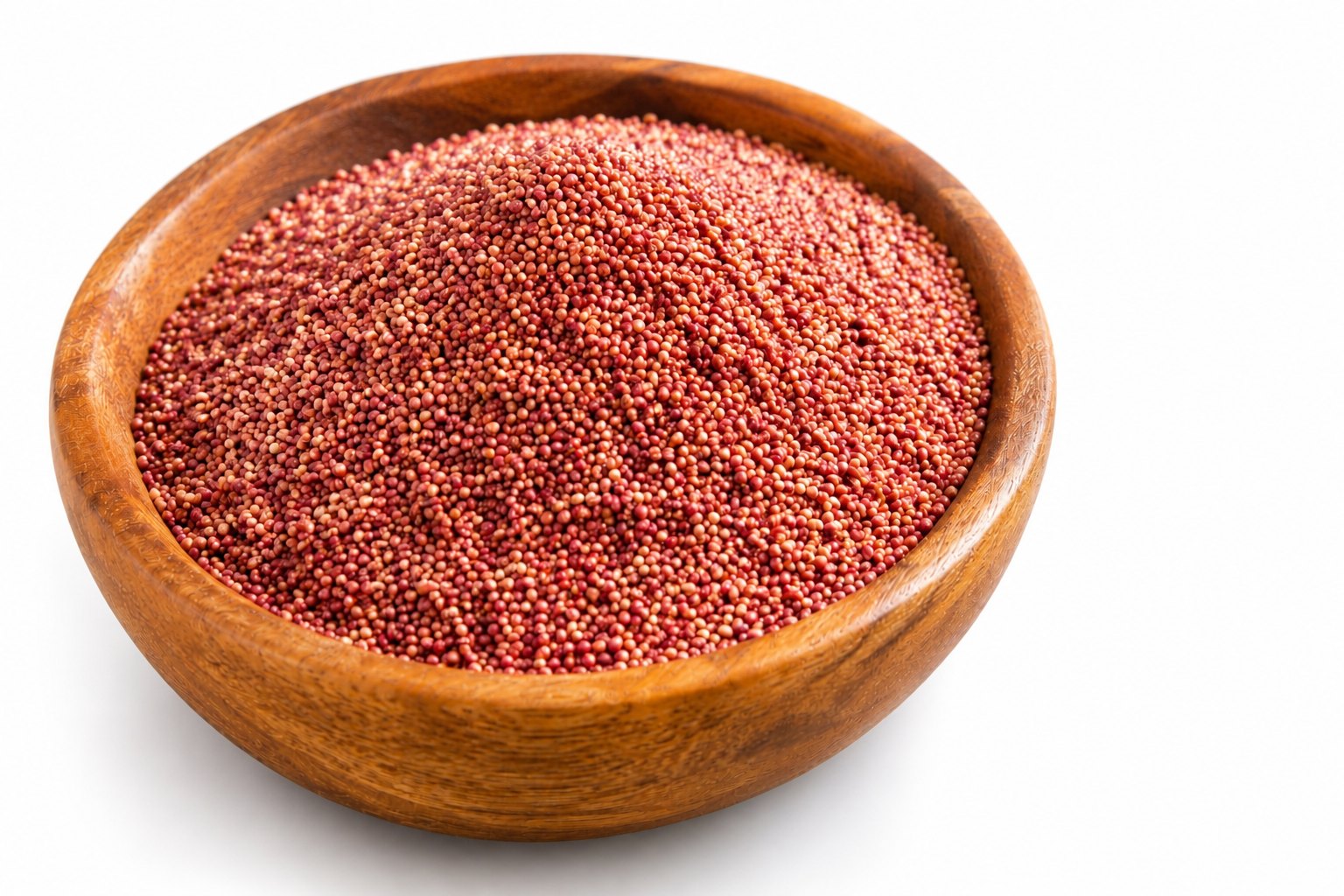
Across the Himalayan hills of Uttarakhand, Amaranth Grain (Ramdana) — known locally as Chaulai — has long been part of the region’s traditional agricultural landscape. Cultivated in the hill regions, this grain reflects the close relationship between the land, seasonal farming and the communities who have grown it for generations.

Officially registered as Uttarakhand Chaulai (Amaranth Grain), this traditional grain has received Geographical Indication (GI) recognition, acknowledging its association with its geographical origin in Uttarakhand. The registration is recorded under GI Application No. 863 and Certificate No. 521.

In the farming landscapes of Kumaon and Garhwal, Amaranth Grain is associated with Barahnaja, a traditional mixed-cropping system that reflects generations of agricultural knowledge and the value of diversity in the Himalayan hills. Valued for its plant-based protein, dietary fibre and naturally occurring minerals, Ramdana carries both nutritional value and the distinctive agricultural heritage of Uttarakhand.

More than a grain — amaranth is part of the living agricultural heritage of Uttarakhand’s Himalayan hills: the fields shaped by mountain terrain, the seasonal rhythm of cultivation and the traditional knowledge that has guided what families grow and eat. Its story connects the landscape to the household kitchen, carrying the character of the hills into the food prepared and shared across generations.

Today, this traditional pseudocereal also offers possibilities for contemporary food makers. Whole seeds, popped grain and flour can be explored in breakfast blends, porridge mixes, snack bars, bakery products and other food preparations, depending on the format and buyer’s application. Its versatility allows Ramdana to move into new product ideas without losing the regional identity that makes it distinctive.

EasternRidge Organics is proud to bring the story of Uttarakhand’s Ramdana / Chaulai to international markets — sharing a traditional Himalayan grain shaped by the land, farming practices and food culture of the hills.

Geographical Indication (GI) Tagged

Registered as Uttarakhand Chaulai (Amaranth Grain), acknowledging its association with its geographical origin in Uttarakhand. GI registration of the product name does not by itself establish that every Ramdana lot is GI-authenticated; GI authorisation and traceability documents are confirmed for the specific consignment.

863GI Application No.
521Certificate No.
Trade Specifications
Origin
Uttarakhand
Packaging
Export grade packaging (as per buyer requirement)
MOQ
On request
Shelf Life
Confirmed per batch
Price
On Request
Export Availability
Confirmed

Product Specification

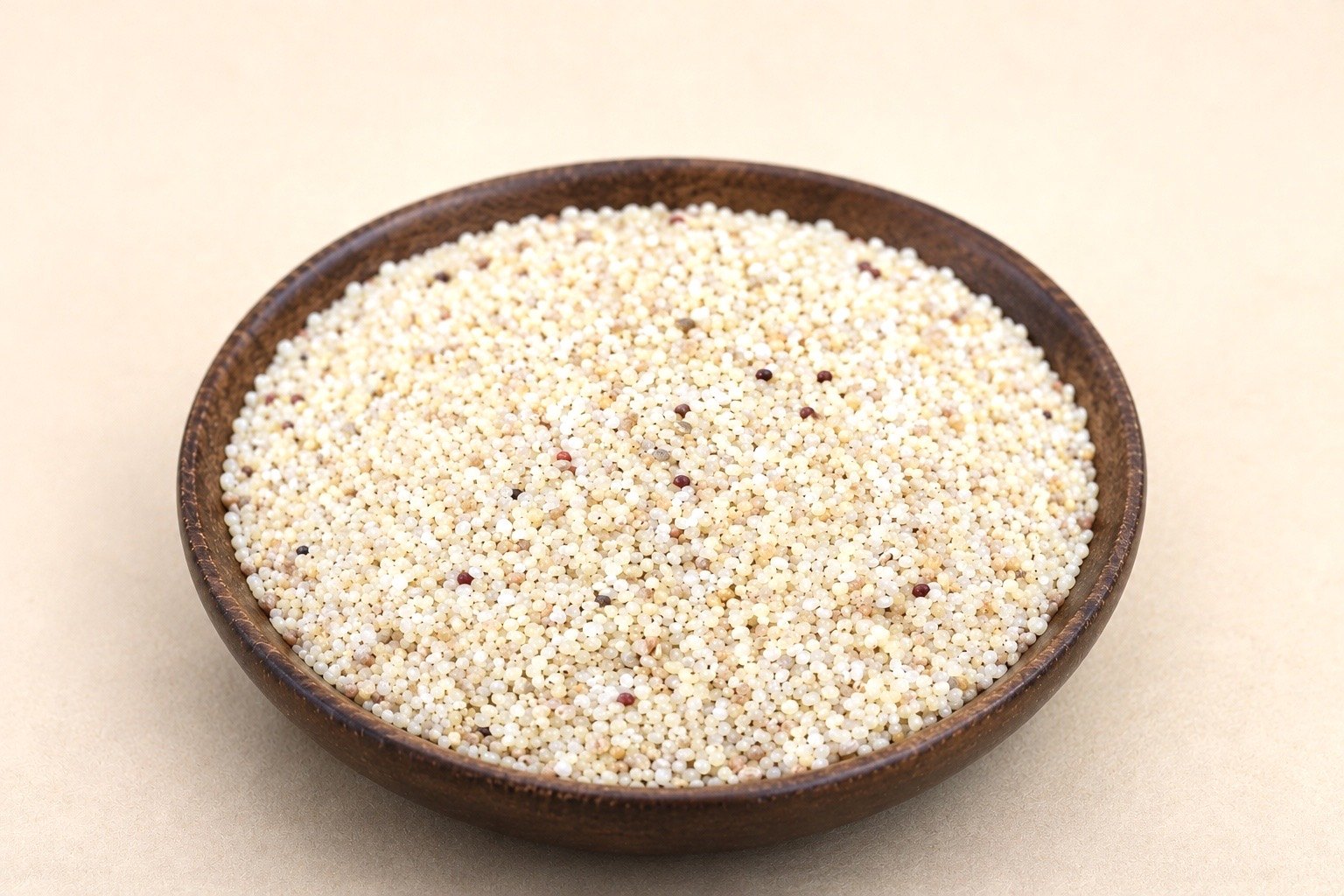
Whole Grain

Appearance
Dried mature grains
Processing
Supplied as dried mature seeds (FSSAI product definition)
Grade
Food grade
Packaging
Export grade packaging (as per buyer requirement)

Botanical species per the FSSAI amaranth standard: Amaranthus caudatus, Amaranthus cruentus and Amaranthus hypochondriacus. The exact species of the supplied lot is confirmed with the supplier.

Composition & Actives

Classification — Pseudocereal (not a true cereal grain)Botanical Species — A. caudatus, A. cruentus, A. hypochondriacus (FSSAI)Plant Protein — Naturally present — notable for lysineDietary Fibre — Naturally presentMinerals — Iron, magnesium, phosphorus, calciumPhenolics & Antioxidants — Naturally present — vary by species and processing

Applications

  • Whole-grain food products
  • Amaranth flour & milling
  • Popped grain products
  • Breakfast cereals & granola
  • Snack products
  • Energy & nutrition bars
  • Bakery & confectionery formulations
  • Gluten-free formulations
  • Multigrain blends
  • Porridge & instant cereal mixes
  • Plant-based foods
  • Other food-processing applications

Key Benefits

  • Naturally gluten-free pseudocereal — a useful grain alternative for gluten-free product development; gluten-free claims for a finished product require appropriate testing and controls against cross-contact
  • Plant-based protein with valuable amino acids — notable for its lysine content, an essential amino acid often limited in conventional cereal grains, helping diversify the protein profile of plant-based formulations
  • Dietary fibre for digestive wellness — contributes to a balanced diet and supports normal digestive function, relevant to fibre-enriched and nutrition-focused formulations
  • Source of essential minerals — naturally contains iron, magnesium, phosphorus and calcium, which contribute to normal body functions including oxygen transport, energy metabolism and maintenance of bones
  • Naturally occurring antioxidant compounds — contains phenolics and other antioxidant constituents; levels vary with species, growing conditions and processing and should be confirmed through product-specific analysis
  • Versatile ingredient for food innovation — whole grain, popped grain and flour can be considered for breakfast cereals, granola, nutrition bars, gluten-free mixes, snacks and plant-based foods
Quality Assurance & Disclaimer. This specification states basic product identity information only, based on the FSSAI amaranth standard (Food Safety and Standards (Food Products Standards and Food Additives) Regulations, 2011, Chapter 2.4, Clause 21). The listed applications are potential ingredient uses, not government-certified or guaranteed uses. Origin is a sourcing declaration supported by batch-level traceability records. Uttarakhand Chaulai (Ramdana) is registered as a GI product; GI registration of the product name does not by itself establish that every Ramdana lot from Uttarakhand is GI-authenticated, and the relevant GI authorisation and traceability documents are confirmed for the specific consignment. Additional technical parameters are stated only when supported by the applicable official standard or by valid testing for the actual supplied batch. For every commercial order, EasternRidge Organics provides a batch-specific Certificate of Analysis (COA), together with relevant laboratory reports including moisture, microbiological analysis, heavy metals and other applicable quality parameters upon request.

Research & Official References

  1. Intellectual Property India, Geographical Indications Registry – “Uttarakhand Chaulai (Ramdana)”, Application No. 863, Certificate No. 521
  2. Uttarakhand Organic Commodity Board – Amaranthus / Chaulai product information, traditional cultivation and food-use reference
  3. Food Safety and Standards Authority of India (FSSAI) – Food Products Standards and Food Additives Regulations, 2011, Chapter 2.4, Clause 21 – Amaranth
  4. Himalayan Region – Ramdana (Amaranth) product page: https://www.himalayanregion.com/product-details/ramdana-amaranth/
  5. Himalayan Region – “The Terraces and the Old Grains” and traditional hill-grain stories: https://www.himalayanregion.com/stories
  6. Himalayan Region – “Barahnaja: Twelve-Crop Farming in Uttarakhand”: https://www.himalayanregion.com/barahnaja-twelve-crop-farming-in-uttarakhand-what-visitors-see-in-the-field

Interested in Amaranth Grain (Ramdana)?

Tell us the form, quantity and destination — your request arrives on our trade desk’s WhatsApp, ready to price.

Related Origins