Who We Are Founders Our Origin Regions Products Tea Quality Work With Us Contact
Downloads Product Portfolio Coming soon Catalogue Coming soon Tea Catalogue Coming soon
Chat on WhatsApp
Himalayan Dandelion Root — Uttarakhand
Botanical Ingredient
Himalayan OriginBotanical Ingredient

Himalayan Dandelion Root

Rooted in the Landscapes of Uttarakhand. A Distinctive Botanical of the Himalayan Region.

OriginUttarakhand
Botanical NameTaraxacum officinale F.H. Wigg.
Plant PartTaproot
FamilyAsteraceae
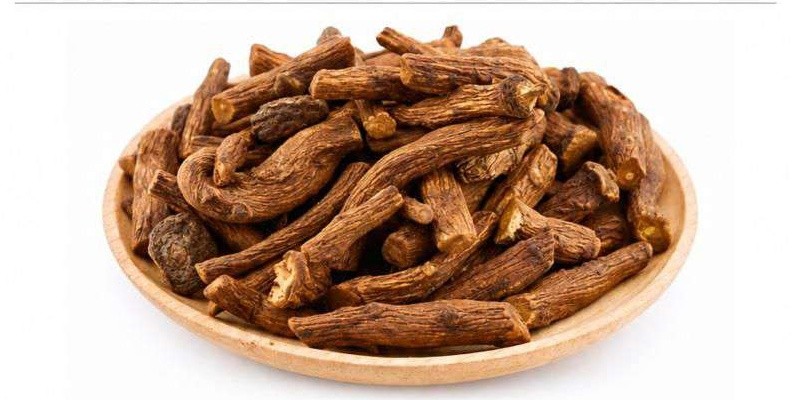
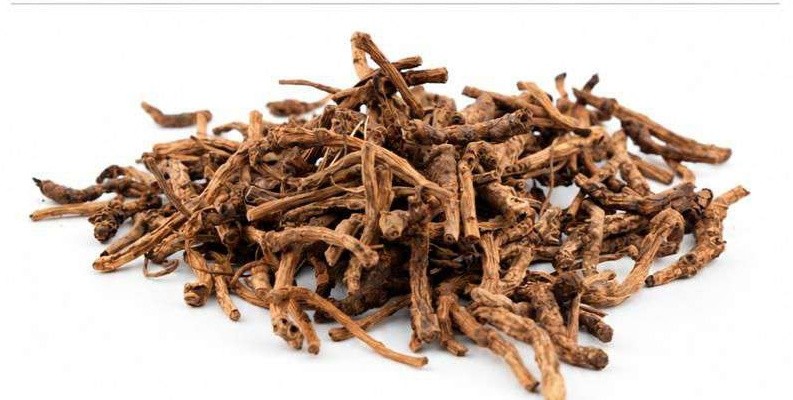
FormsWhole / Cut Dried Root

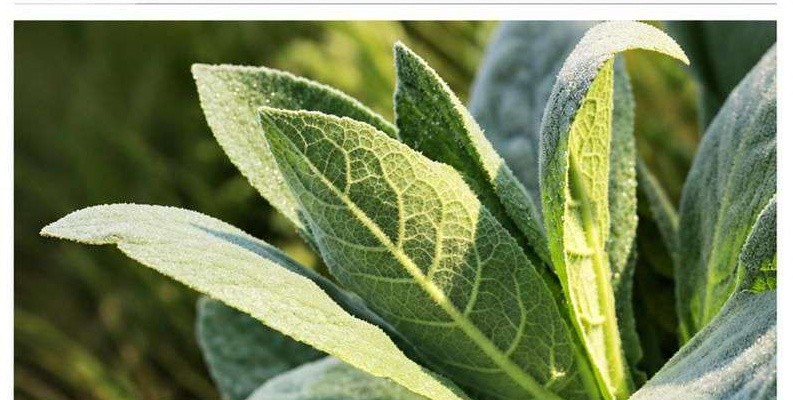
Across the diverse landscapes of Uttarakhand, Dandelion (Taraxacum officinale), a perennial herb belonging to the Asteraceae family, is recognised for its distinctive yellow flowers, characteristic leaves and deep underground taproot.

The plant is documented in Uttarakhand’s botanical records and is also included in the plant collection of the Uttarakhand Forest Research Institute at Pithoragarh. Its presence reflects the botanical diversity of the region.

Dandelion is particularly recognised for its long, stout taproot, which is valued as botanical raw material. Traditionally documented in the Garhwal Himalayan region, the plant has a place in local botanical knowledge and is of interest to herbal ingredient processors.

More than a root — dandelion roots represent the relationship between regional biodiversity and traditional botanical knowledge. For the global ingredient industry, they offer a distinctive botanical raw material from Uttarakhand, bringing together regional identity and specialty ingredient potential. EasternRidge Organics is proud to connect this regional botanical heritage with global markets.

Trade Specifications
Origin
Uttarakhand
Packaging
Bulk packing as per buyer requirement
MOQ
On request
Shelf Life
Established per lot and packaging
Price
On Request
Export Availability
Confirmed

Product Specification

Whole Dried Roots / Cut Dried Roots

Appearance
Appearance, colour and size confirmed by visual inspection of the supplied lot
Odour
Confirmed by sensory inspection; no fixed sensory grade claimed
Processing
Cleaning, drying, cutting and sorting, as applicable
Shelf Life
Established from product condition, packaging and stability data
Packaging
Bulk packing as per buyer requirement

Store in a cool, dry, well-ventilated place, protected from moisture, direct sunlight and contamination.

Composition & Actives

Constituents are literature observations from the EMA assessment report, not Uttarakhand-specific results or guaranteed values for the supplied material. No marker percentage is claimed.

Characteristic Constituents — Inulin and other polysaccharides, phenolic compounds, minerals (EMA literature)Root Inulin — Varies by season — literature range 2% (spring) to 40% (autumn)Marker Assay — Not specified — validated batch-specific method on request

Applications

  • Botanical raw-material processing
  • Dried-root & comminuted-root ingredient supply
  • Herbal tea & botanical preparation development
  • Botanical research & analytical evaluation
  • Specified liquid preparations (subject to regulation)

Key Benefits

  • Distinctive botanical identity — a recognised perennial herb of the Asteraceae family, documented in Uttarakhand’s botanical records and recorded in the Government of India’s Homeopathic Pharmacopoeia
  • Traditional Himalayan recognition — recorded in ethnobotanical research in Jakholi, Rudraprayag district, including traditional root paste and decoction preparations
  • Valuable underground plant part — its characteristic taproot is the principal raw material for commercial dried-root preparations
  • Root-specific official assessment — the European Medicines Agency has a dedicated assessment of Taraxacum officinale radix, identifying comminuted dried root as a herbal substance
  • Characteristic root constituents — published assessment literature discusses inulin, polysaccharides and other naturally occurring root constituents; actual content varies and is tested
  • Specialty ingredient potential — relevant to herbal ingredient processors and botanical product developers, subject to buyer specifications and destination-market rules
Quality Assurance & Disclaimer. Product identity, Uttarakhand origin, physical condition and quality parameters must be verified for each supplied lot through appropriate inspection and, where required, batch-specific laboratory analysis and a Certificate of Analysis (COA). The cited Indian Homeopathic Pharmacopoeia monograph describes the whole plant as the part used; the EMA provides a root-specific herbal assessment, but it is not an Indian commercial raw-material specification. FSSAI’s cited compendium entry lists leaf / whole plant rather than root; therefore, no claim is made that this entry authorises dandelion root as an Indian food or nutraceutical ingredient. No numerical moisture, inulin, marker, microbiological, heavy-metal or pesticide-residue value is guaranteed. Buyers and suppliers must confirm lawful product classification, intended use, import requirements and compliance with destination-market regulations before commercial supply. No therapeutic, disease-treatment or organic-certification claim is made.

Research & Official References

  1. Government of India, Ministry of AYUSH – Homoeopathic Pharmacopoeia of India, Volume X, revised monograph “Taraxacum” (part used: whole plant)
  2. European Medicines Agency (EMA), HMPC – Final European Union herbal monograph on Taraxacum officinale F.H. Wigg., radix, EMA/HMPC/475726/2020
  3. European Medicines Agency (EMA) – Assessment report on Taraxacum officinale F.H. Wigg., radix, EMA/HMPC/475725/2020 (24 November 2021)
  4. FSSAI – Compendium: Health Supplements, Nutraceuticals, Functional Food and Novel Food, Version I (29 September 2021), entry for Taraxacum officinale (leaf / whole plant)
  5. Uttarakhand Forest Research Institute – Plant Nursery, Pithoragarh: Taraxacum officinale
  6. State Medicinal Plants Board, Uttarakhand – List of Medicinal Plants of Uttarakhand
  7. Singh et al. (2017). Ethnomedicinal Plants Used by Local Inhabitants of Jakholi Block, Rudraprayag District, Western Himalaya, India. Journal of Ethnobiology and Ethnomedicine, 13:49
  8. India Flora Online, Indian Institute of Science – Taraxacum officinale

Interested in Himalayan Dandelion Root?

Tell us the form, quantity and destination — your request arrives on our trade desk’s WhatsApp, ready to price.

Related Origins