Who We Are Founders Our Origin Regions Products Tea Quality Work With Us Contact
Downloads Product Portfolio Coming soon Catalogue Coming soon Tea Catalogue Coming soon
Chat on WhatsApp
Himalayan Mullein Leaf — Uttarakhand
Botanical Ingredient
Himalayan OriginBotanical Ingredient

Himalayan Mullein Leaf

From the Himalayan Landscapes of Uttarakhand. A Distinctive Botanical with a Rich Heritage.

OriginUttarakhand
Botanical NameVerbascum thapsus L.
Plant PartLeaves
FamilyScrophulariaceae
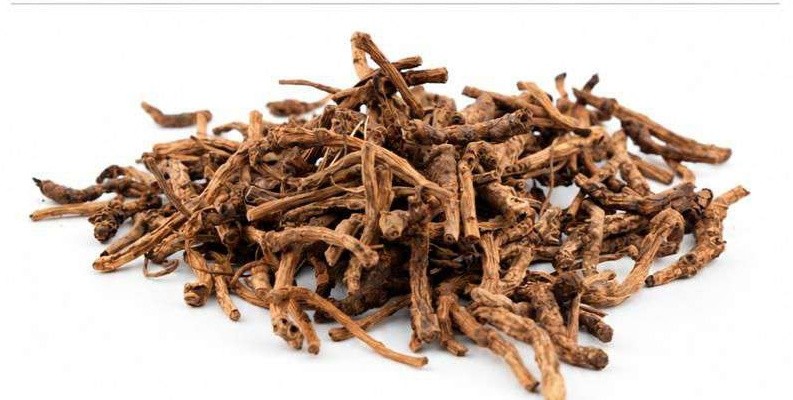
FormsWhole / Cut Dried Leaf

Across the Himalayan landscapes of Uttarakhand, Common Mullein (Verbascum thapsus L.) is recognised by its tall flowering stem, soft woolly leaves and distinctive yellow flowers. Belonging to the Scrophulariaceae family, this biennial herb is documented in the botanical records of the region, including areas such as Chakrata in Dehradun district.

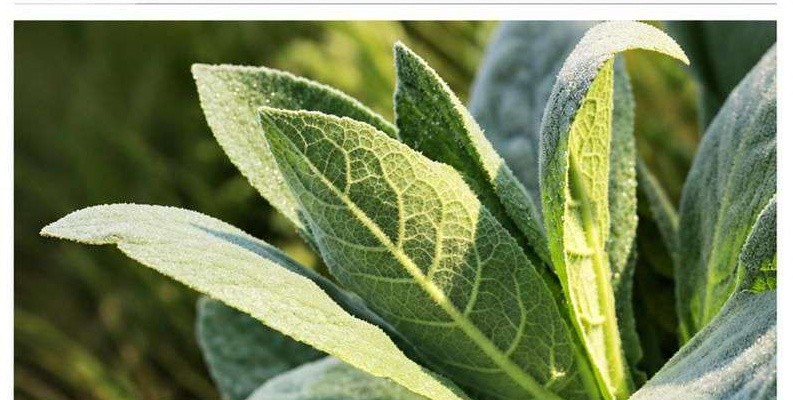
Mullein is particularly distinctive for its broad, grey-green leaves, covered with a dense layer of fine, soft hairs. The leaves develop in a ground-level rosette during the first year, followed by a tall flowering stem in the second year. These characteristic leaf features give the plant its recognisable botanical identity.

The species also appears in published research documenting traditional plant knowledge in the Garhwal Himalayas. Its presence in the region reflects the botanical diversity of Uttarakhand and the continuing interest in Himalayan plant resources.

More than a leaf — mullein leaves bring together distinctive botanical characteristics and a documented presence in the Himalayan region. For the global ingredient industry, they offer a recognisable botanical raw material from Uttarakhand, reflecting the diversity of regional plant resources and the value of carefully identified botanical ingredients. EasternRidge Organics is proud to connect this regional botanical heritage with global markets.
Trade Specifications
Origin
Uttarakhand
Packaging
Bulk packing as per buyer requirement
MOQ
On request
Shelf Life
Established per lot and packaging
Price
On Request
Export Availability
Confirmed

Product Specification

Whole Dried Leaves / Cut Dried Leaves

Appearance
Broad, oblong to oblong-lanceolate leaves; greenish to yellowish-grey; densely woolly surface — confirmed by inspection
Odour
Distinct
Taste
Mucilaginous and slightly bitter (HPI description) — verified against the supplied lot
Processing
Cleaning, drying, cutting and sorting, as applicable
Shelf Life
Established from product condition, packaging and stability data
Packaging
Bulk packing as per buyer requirement

Composition & Actives

Botanical Identification — Reference description in the Homoeopathic Pharmacopoeia of IndiaLeaf Microscopy — Branched candelabra-shaped and glandular hairs (HPI, whole-plant drug)Marker Assay — Not specified — validated batch-specific method on requestNutritional Values — Not presented — no verified leaf composition dataset

Applications

  • Botanical raw-material processing & ingredient evaluation
  • Dried-leaf & cut-leaf ingredient supply for industrial buyers
  • Botanical research, identification & analytical evaluation
  • Botanical preparations (where lawful in the destination market)

Key Benefits

  • Distinctive botanical identity — Verbascum thapsus L., a recognised biennial herb of the Scrophulariaceae family, described in the Government of India’s Homoeopathic Pharmacopoeia
  • Recognisable leaf characteristics — broad, soft, densely hairy leaves with a distinctive grey-green appearance
  • Documented Himalayan distribution — India Flora Online records the species in Uttarakhand, including Chakrata, Dehradun
  • Traditional botanical recognition — published literature records the plant in the traditional botanical knowledge of the Garhwal Himalayas
  • Clear plant-part declaration — the product offered is leaves; the HPI monograph’s official part-used entry is whole plant, disclosed rather than presented as a leaf-specific standard
  • Specialty ingredient potential — dried leaves for botanical raw-material processors and plant-based ingredient developers, subject to identity checks, buyer specifications and applicable regulations
Quality Assurance & Disclaimer. Product identity, Uttarakhand origin, physical condition and quality parameters must be verified for each supplied lot through appropriate inspection and, where required, batch-specific laboratory analysis and a Certificate of Analysis (COA). The cited Indian Homoeopathic Pharmacopoeia describes the whole plant as the part used; it does not establish a separate leaf-only commercial quality standard. The cited FSSAI Schedule IV compendium search did not identify Verbascum thapsus; therefore, no claim is made that mullein leaves are authorised as an Indian health-supplement or nutraceutical ingredient. Buyers and suppliers must confirm lawful product classification, intended use, import requirements and compliance with destination-market regulations before commercial supply. No numerical moisture, marker, nutritional, microbiological, heavy-metal or pesticide-residue value is guaranteed. No therapeutic, disease-treatment or organic-certification claim is made.

Research & Official References

  1. Government of India, Ministry of AYUSH – Homoeopathic Pharmacopoeia of India, Volume II, Part II, monograph “Verbascum thapsus” (part used: whole plant)
  2. Sankara Rao, K. & Deepak Kumar (2026). India Flora Online, Indian Institute of Science – Verbascum thapsus L.; distribution including Dehradun (Chakrata), Uttarakhand
  3. FSSAI – Health Supplements, Nutraceuticals, Functional Food and Novel Food Regulations, 2016, Version I compendium (29 September 2021), Schedule IV (no entry returned for Verbascum thapsus)
  4. A Review on Antiviral Activity of the Himalayan Medicinal Plants Traditionally Used to Treat Bronchitis and Related Symptoms – Journal of Pharmacy and Pharmacology (records of Verbascum thapsus in the Garhwal Himalayas)

Interested in Himalayan Mullein Leaf?

Tell us the form, quantity and destination — your request arrives on our trade desk’s WhatsApp, ready to price.

Related Origins