Who We Are Founders Our Origin Regions Products Tea Quality Work With Us Contact
Downloads Product Portfolio Coming soon Catalogue Coming soon Tea Catalogue Coming soon
Chat on WhatsApp
Himalayan Kutki Root — Uttarakhand
Botanical Ingredient
Himalayan OriginBotanical Ingredient

Himalayan Kutki Root

(Kutki / Karwi)

Rooted in the Northern Himalayas of Uttarakhand. A Distinctive Botanical Heritage of the High Mountains.

OriginUttarakhand
Botanical NamePicrorhiza kurrooa Royle ex Benth.
Altitude2,800–4,500 m
ProfileNaturally Bitter
Plant PartRoots & Rhizomes

In the northern Himalayan landscapes of Uttarakhand, where high-altitude environments support a remarkable diversity of medicinal and aromatic plants, Kutki (Picrorhiza kurroa Royle ex Benth.) holds a distinctive place among the region’s traditional botanical resources.

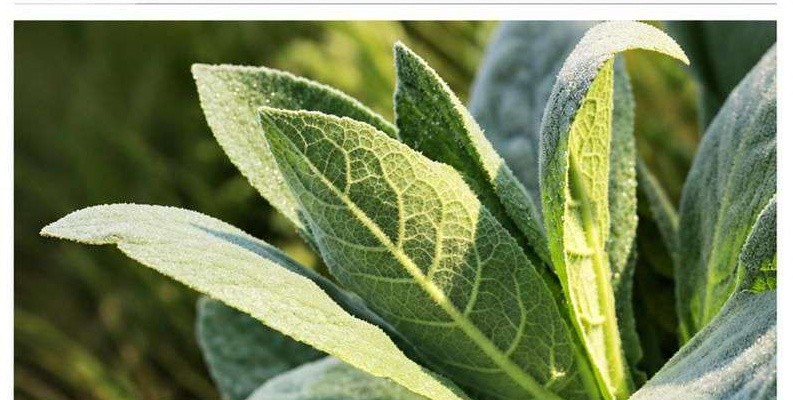
Known locally as Kutki or Karwi, this perennial herb grows naturally across the high-altitude Himalayan belt. It is associated with alpine and sub-alpine habitats at elevations of approximately 2,800–4,500 metres. Its creeping growth habit, small leaves and characteristic underground rhizomes and roots distinguish it as a specialised high-altitude Himalayan plant.

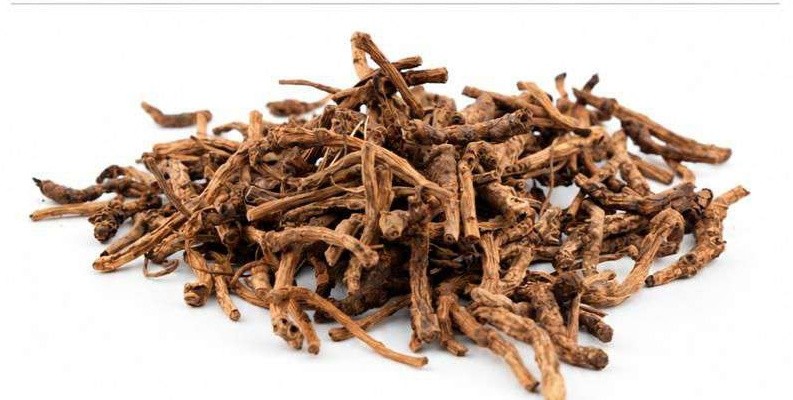
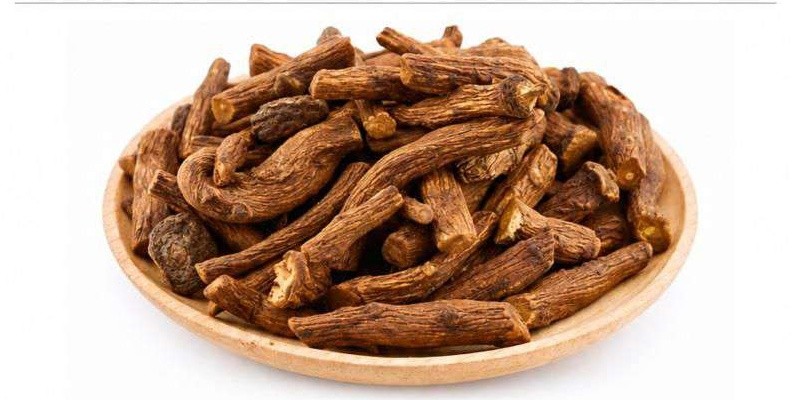
Kutki has long been recognised within India’s traditional botanical heritage. Its dried underground parts, comprising roots and stolons or rhizomes, are valued as botanical raw material and are of particular interest to the herbal ingredient industry. Its naturally bitter character is one of its distinctive identifying features.

Across Uttarakhand, Kutki has received attention through government-supported medicinal plant cultivation and conservation initiatives. The Uttarakhand State Medicinal Plants Board identifies Picrorhiza kurroa among the medicinal plants suited to the state’s high-altitude zones, and cultivation initiatives in Chamoli district have demonstrated the potential for organised cultivation of this valuable Himalayan species.

More than a root — Kutki reflects the unique plant diversity and ecological significance of Uttarakhand’s high-altitude landscapes. For the global ingredient industry, it offers a distinctive botanical raw material from the northern Himalayas, bringing together regional botanical heritage, traditional recognition and specialty ingredient potential. EasternRidge Organics is proud to connect this Himalayan botanical heritage with global markets.

Trade Specifications
Origin
Uttarakhand
Packaging
Bulk packing as per buyer requirement
MOQ
On request
Shelf Life
Established per lot and packaging
Price
On Request
Export Availability
Confirmed

Product Specification

Whole Dried Roots / Rhizomes

Appearance
Appearance, colour and size confirmed by visual inspection of the supplied lot
Taste
Characteristic; naturally bitter
Processing
Cleaning, drying and sorting, as applicable
Shelf Life
Established from product condition, packaging and stability data
Packaging
Bulk packing as per buyer requirement

Family: Plantaginaceae (traditionally placed in Scrophulariaceae). Store cool, dry and well-ventilated, protected from moisture, direct sunlight and contamination.

Composition & Actives

Characteristic Constituents — Picrosides, including picroside-I and picroside-II — no percentage claimedMarker Assay — Not specified — validated batch-specific method on requestNutritional Values — Not applicable for this botanical raw material

Applications

  • Botanical raw-material processing
  • Herbal ingredient manufacturing
  • Formulation & product development
  • Botanical research & analytical evaluation

Key Benefits

  • Distinctive Himalayan botanical — a recognised high-altitude herb associated with Uttarakhand’s alpine and sub-alpine environments
  • Traditional botanical heritage — long recognised in India’s traditional systems of botanical knowledge; the dried underground parts are documented botanical material
  • Characteristic bitter profile — naturally bitter, with recognised marker constituents
  • High-altitude plant adaptation — naturally associated with alpine and sub-alpine mountain environments
  • Responsible sourcing importance — Uttarakhand authorities identify Kutki among species prohibited from forest harvesting and requiring cultivation
  • Specialty botanical potential — relevant to premium Himalayan botanical collections and specialised herbal ingredient supply chains
Quality Assurance & Disclaimer. Product identity, origin, physical condition and quality parameters must be verified for each supplied lot through appropriate inspection and, where required, batch-specific laboratory analysis and a Certificate of Analysis (COA). The information is based on official Uttarakhand government material and government forestry / medicinal-plant research references; it is not a substitute for a batch COA or buyer-specific specification. No numerical moisture, picroside, microbiological, heavy-metal or pesticide-residue value is guaranteed. Uttarakhand government information identifies Kutki as a species that is prohibited from forest harvesting and requires cultivation; procurement and transit documentation and evidence of lawful cultivation / sourcing should therefore accompany commercial supply as applicable. Any use in regulated products must be assessed by the buyer against applicable product, safety, quality and regulatory requirements. No medicinal, therapeutic, organic-certification or disease-treatment claim is made.

Research & Official References

  1. Uttarakhand Environment Protection and Pollution Control Board – State of Environment Report of Uttarakhand (2018), Forest and Biodiversity chapter
  2. Government of Uttarakhand – Centre of Excellence on Forest-based Livelihood – Medicinal Plants (Kutki among species banned from forest harvesting and requiring cultivation)
  3. National Medicinal Plants Board & ICFRE – Goraya, G.S. & Ved, D.K. (2017). Medicinal Plants in India: An Assessment of their Demand and Supply (Kutki cultivation, Gheshe village, Chamoli)
  4. Indian Council of Forestry Research and Education – Macro-proliferation technique for Kutki multiplication
  5. Uttarakhand State Medicinal Plants Board – Medicinal and aromatic plants suitable for different altitude zones of Uttarakhand
  6. Herbal Research and Development Institute (HRDI), Uttarakhand – Priority medicinal and aromatic species for cultivation
  7. Nautiyal, M.C. – Case Study of Successful Cultivation of High Altitude Medicinal Plants in Uttarakhand: Picrorhiza kurrooa at Ghesh Village, Chamoli. ICFRE Workshop Proceedings (2016)
  8. Government of India, Rajya Sabha – Written Answer on Preservation of Kutki Jadi, 25 November 2014

Interested in Himalayan Kutki Root?

Tell us the form, quantity and destination — your request arrives on our trade desk’s WhatsApp, ready to price.

Related Origins