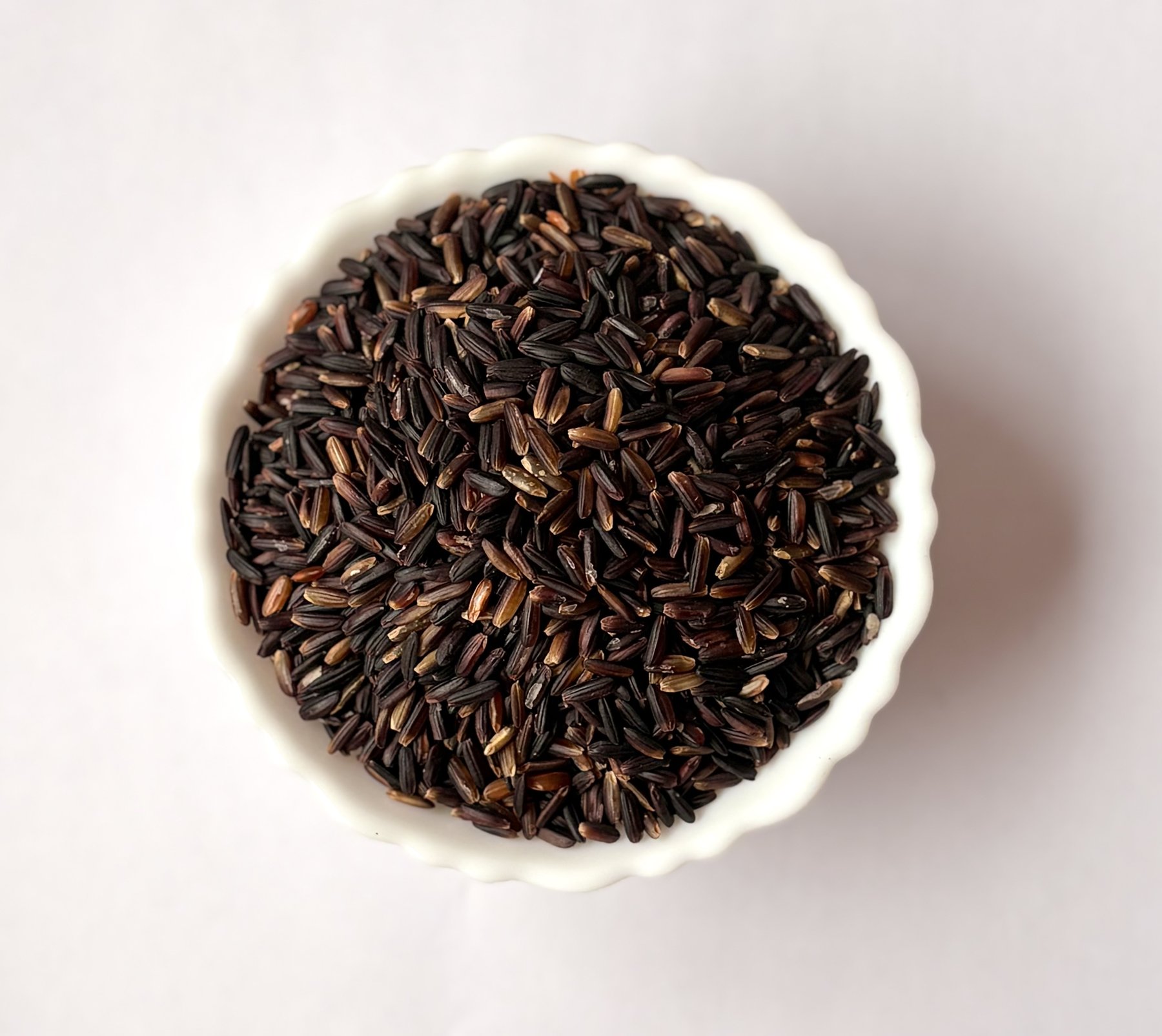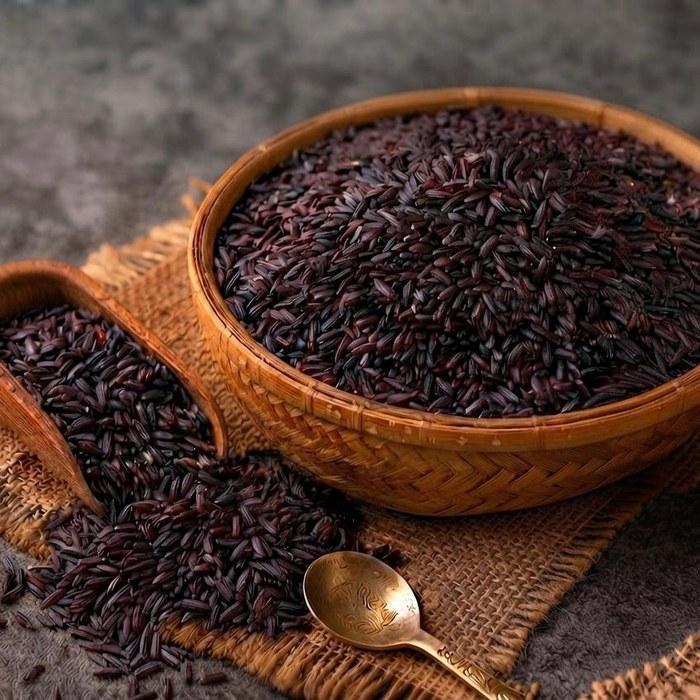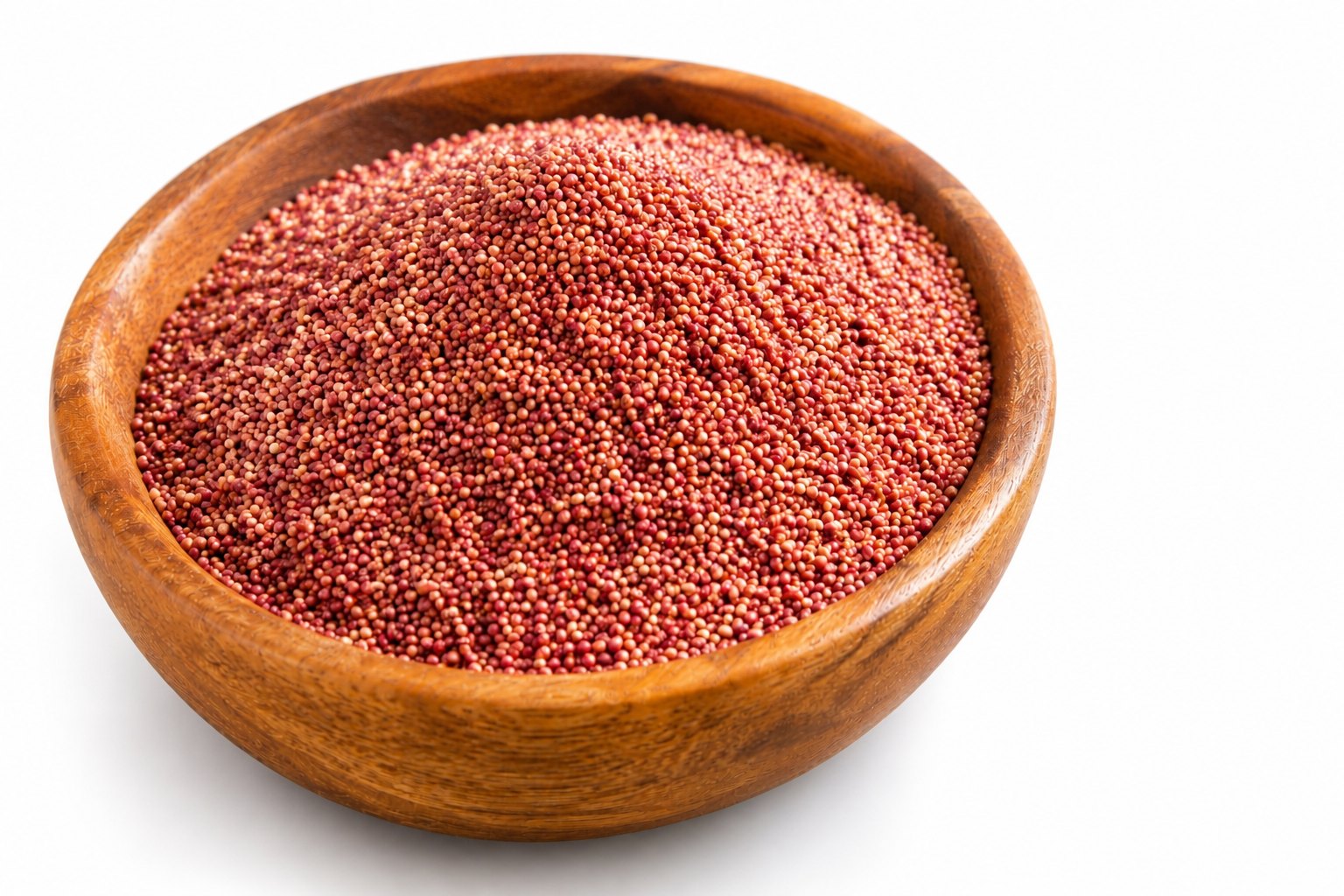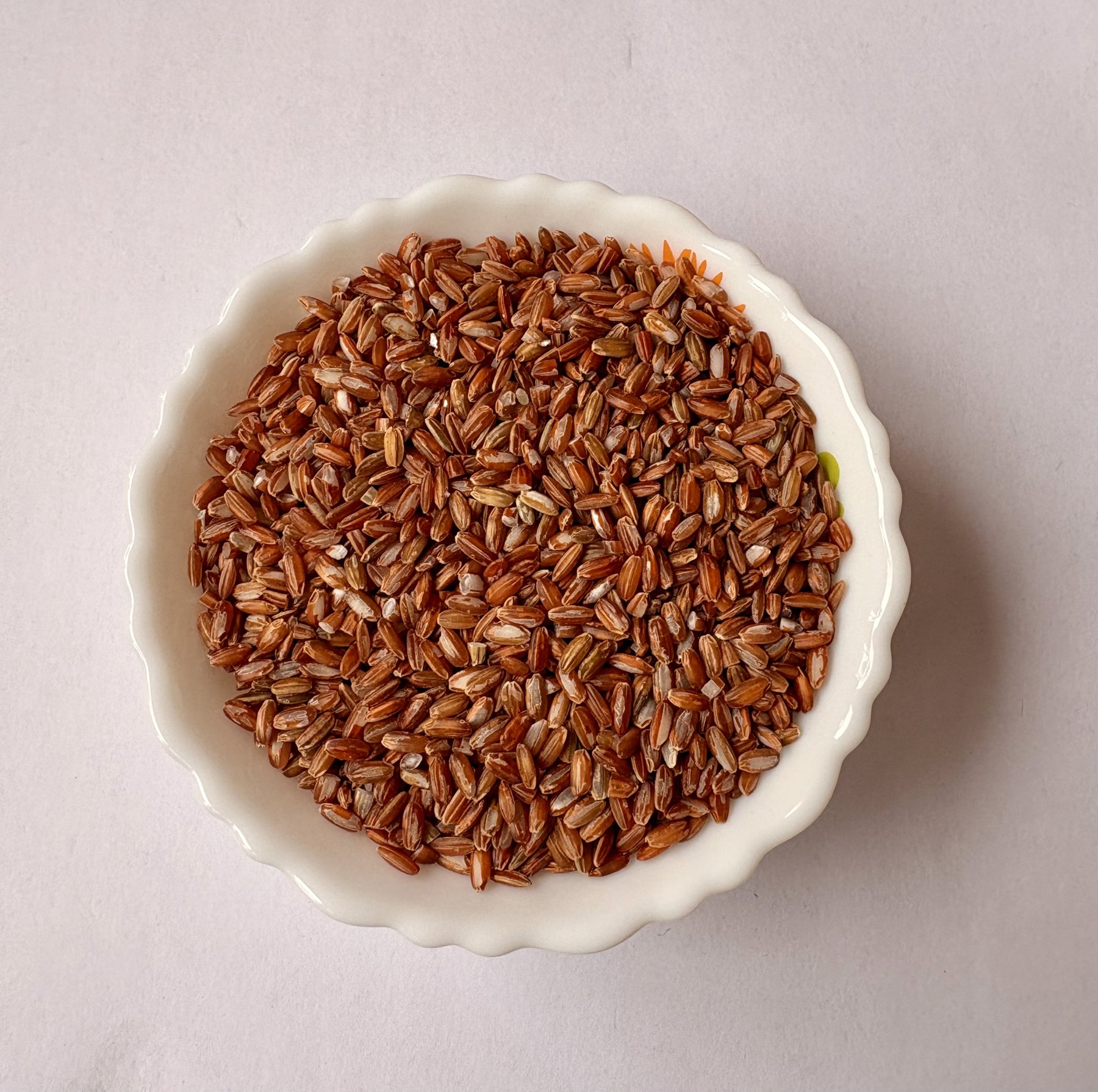
(Bao Rice)
Rooted in the Waters of the Brahmaputra Valley. A Heritage Grain That Grows with the Rising Waters.
In Assam, where the mighty Brahmaputra and its tributaries shape the landscape, water has always been an integral part of agricultural life. Every monsoon, as rivers swell and floodwaters spread across the surrounding plains, the agricultural landscape transforms. Yet, for generations, farming communities across these flood-prone regions have cultivated indigenous rice varieties adapted to these very conditions.
Known as Bao Rice, this traditional deep-water rice represents one of Assam’s distinctive agricultural heritages. Unlike conventional rice varieties that generally require relatively controlled water conditions, traditional Bao varieties are cultivated in low-lying fields and flood-prone landscapes where water levels rise progressively with the monsoon.
What makes Bao rice particularly remarkable is its natural adaptation to rising water. As floodwaters gradually increase, suitable Bao varieties develop elongated stems, enabling the plants to grow upwards and keep their upper portions above the water surface — allowing them to continue growing in deep-water environments where many conventional rice varieties may not thrive.
Across Assam’s flood-prone agricultural belt, Bao rice cultivation has been sustained through generations of farming knowledge. Majuli, Dhemaji and Lakhimpur are among its prominent cultivation areas, alongside other riverine and flood-affected regions of the state. More than an agricultural practice, it reflects the ingenuity of indigenous farming communities who have learned to work with the natural rhythms of the river rather than against them.
More than a grain — Assam Red Rice represents the relationship between agriculture, biodiversity and the Brahmaputra Valley’s seasonal waters. For the global food industry, it offers a distinctive heritage grain with a documented nutritional profile and a unique agricultural story. EasternRidge Organics is proud to connect this regional agricultural heritage with global markets.
| Nutrient | Value |
|---|---|
| Crude Protein | 3.96–13.23 g |
| Crude Fat | 2.59–3.09 g |
| Carbohydrates | 82.33–91.38 g |
| Iron | 0.72–3.37 mg |
| Zinc | 1.84–5.85 mg |
| Manganese | 0.64–2.52 mg |
| Ash | 1.46–1.87 g |
| Total Phenolic Content | 336.49–1,357.22 mg/100g (cultivar-dependent) |
| Total Flavonoid Content | 127.51–896.37 mg/100g (cultivar-dependent) |
Reported range per 100 g, dry weight basis — across ten unpolished red rice cultivars of Assam — Source: Mudoi, T. & Das, P. (2024), "Nutritional Composition, Mineral Content and Antioxidant Properties of Unpolished Red Rice Cultivars of Assam, India," Asian Journal of Dairy and Food Research, 43(2), 301–305 — reported ranges across ten unpolished red rice cultivars collected in Assam. Values are cultivar-dependent and reported on a dry weight basis; they are not a batch-specific laboratory analysis of the product supplied by EasternRidge Organics.